
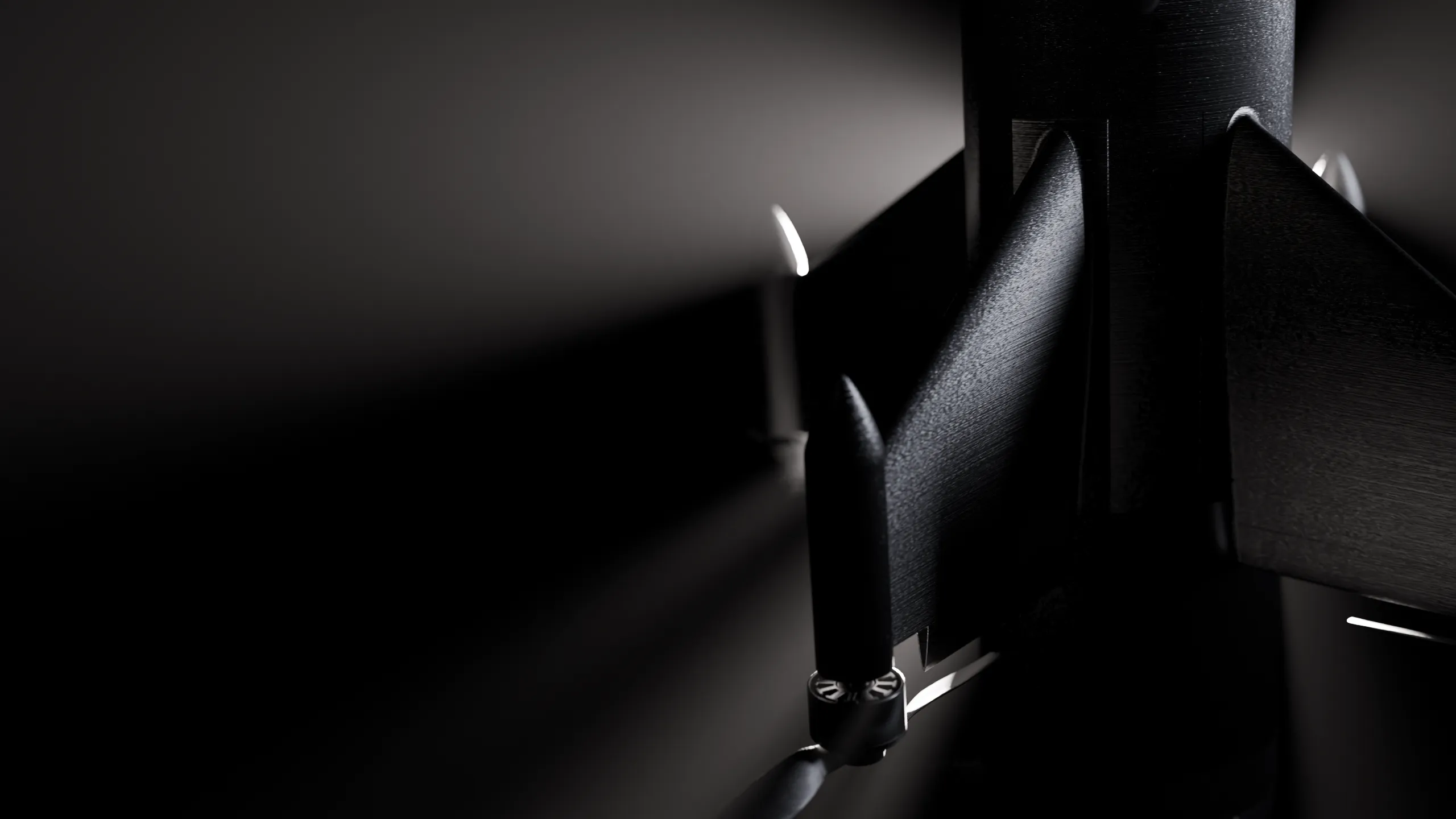
TARGET ACQUIRED — 48.4647°N, 35.0462°E.
SYSTEM RESPONSE: 0.003s
UNIT 07 — ACTIVE — 00:47:23
ALT 412m — STATUS: NOMINAL
productZirka
Max speed
326km/h
001
Flight time
15mins
002
Radius
28km
003
Altitude
6000m
004
Target tracking
005

THREAT CLASS — SHAHED-TYPE UAS
UNIT COST: ~$50,000
SPEED: 185 KM/H — ALT: LOW
PRIORITY: CRITICAL

LaunchesMiddle EastUkraine
0102/ 02

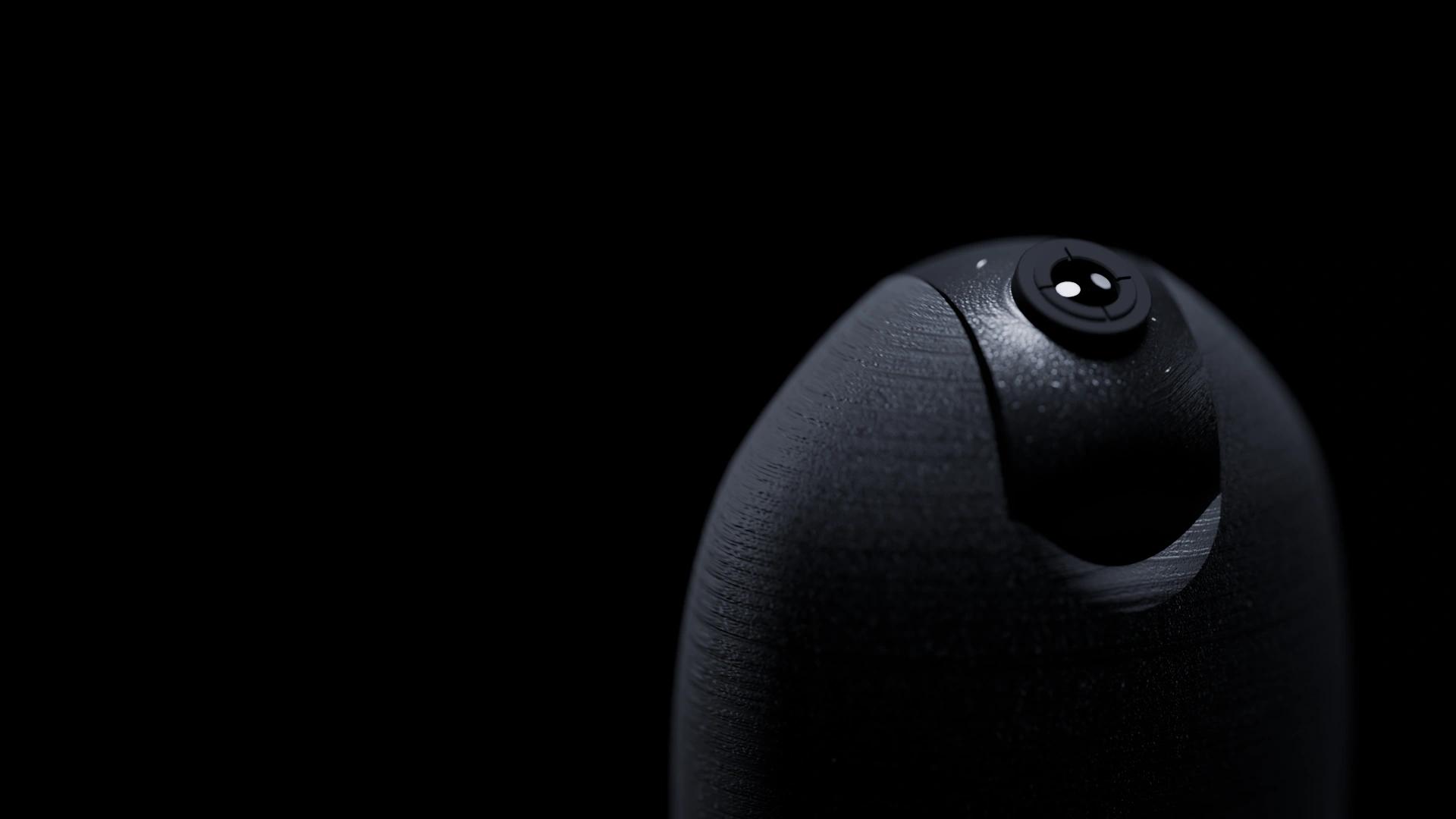
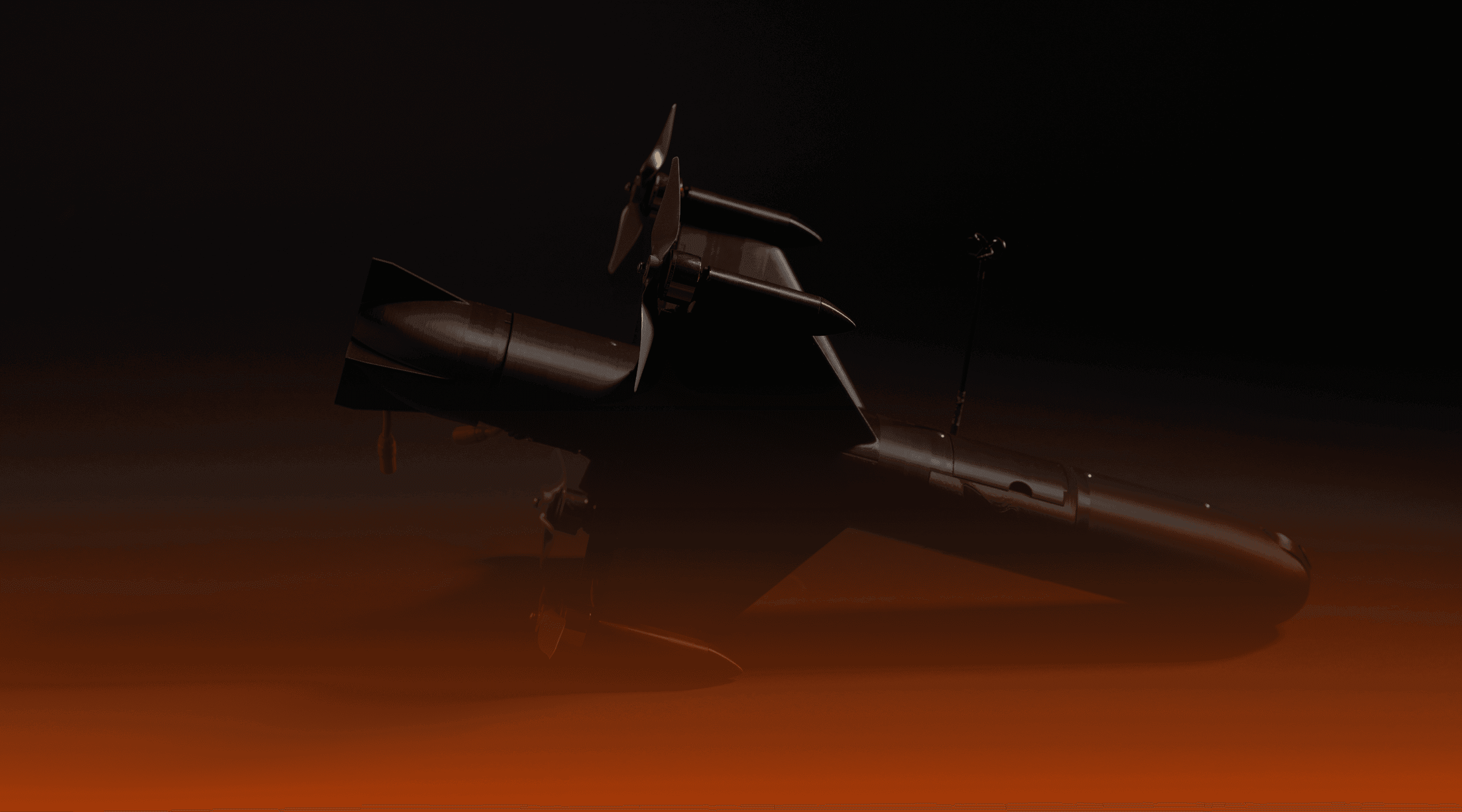
InterceptorZirka
- A.
Automatic target detection
An algorithm trained on thousands of real-world strikes by Shahed drones is capable of detecting targets at a distance of up to 1 km.
- B.
Auto-guidance system
The system’s machine vision increases interception effectiveness against highly maneuverable targets by up to 60%.
- C.
Speed advantage
Zirka’s air speed is twice the cruise speed of a Shahed drone (180 km/h).
- D.
High vertical speed
A climb rate of up to 40 m/s enables reaching 6,000 meters in just a few minutes.
- E.
Additional positioning system
An innovative communication system enables stable drone positioning in the air even in case of radar tracking loss.

Consequences of a Shahed-136 strike
on a residential building
in the city center
Kyiv, Ukraine, 2022.
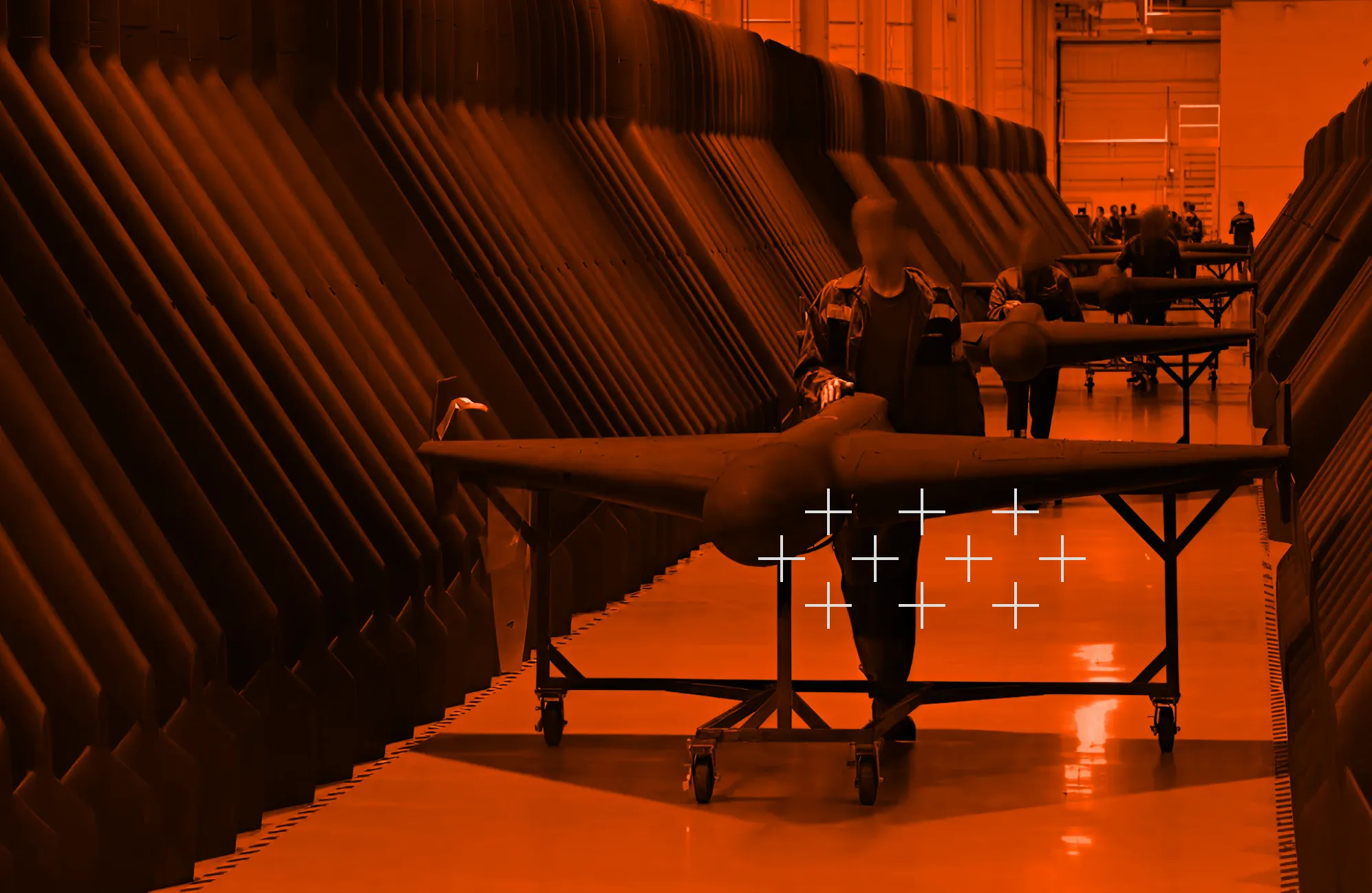
Mass production of modified Iranian Shahed drones
UAV “Geran-2”
Yelabuga, Russia, 2025.
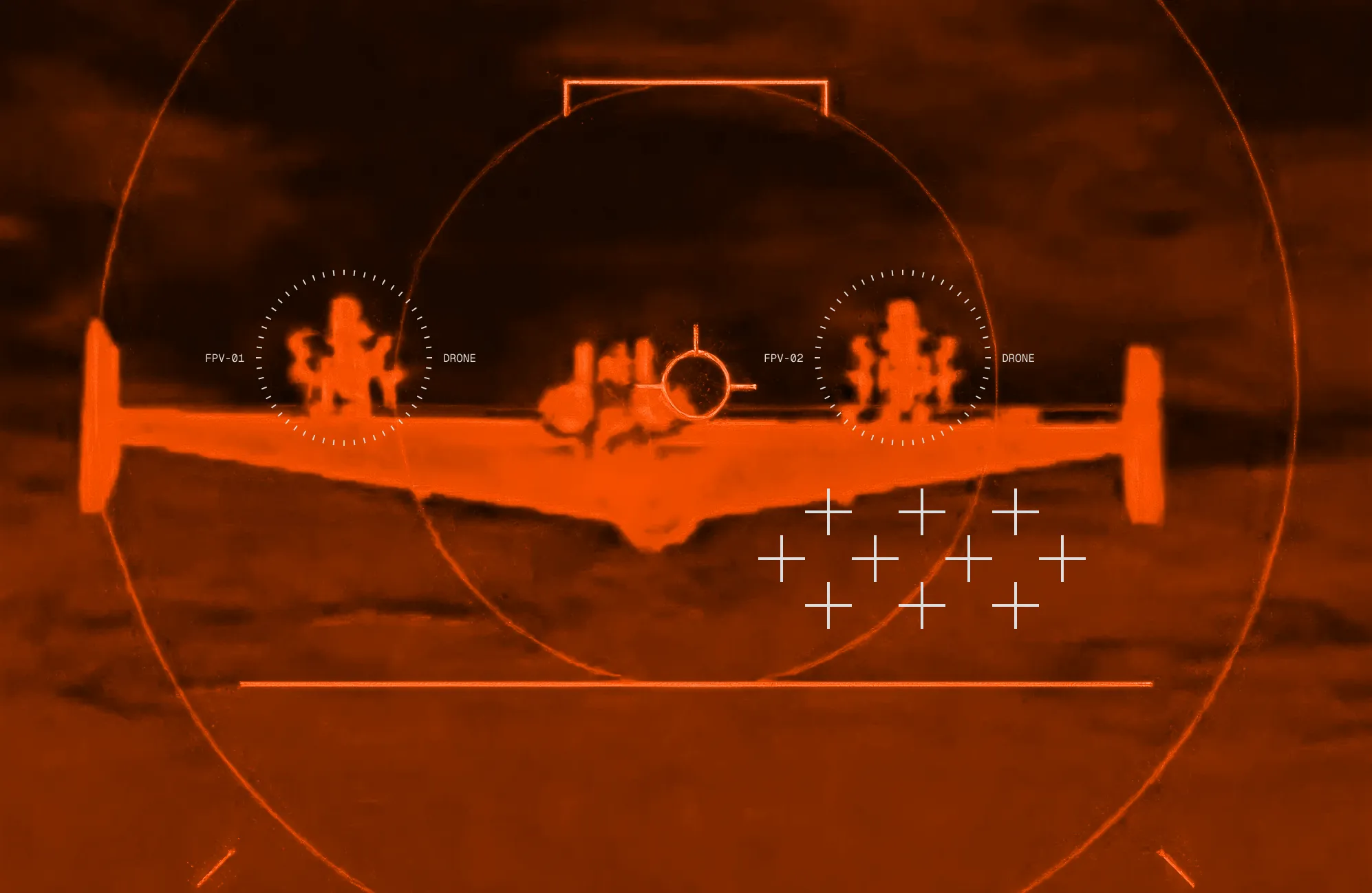
Shahed carrying two FPV drones
footage from an interceptor UAV
2026.
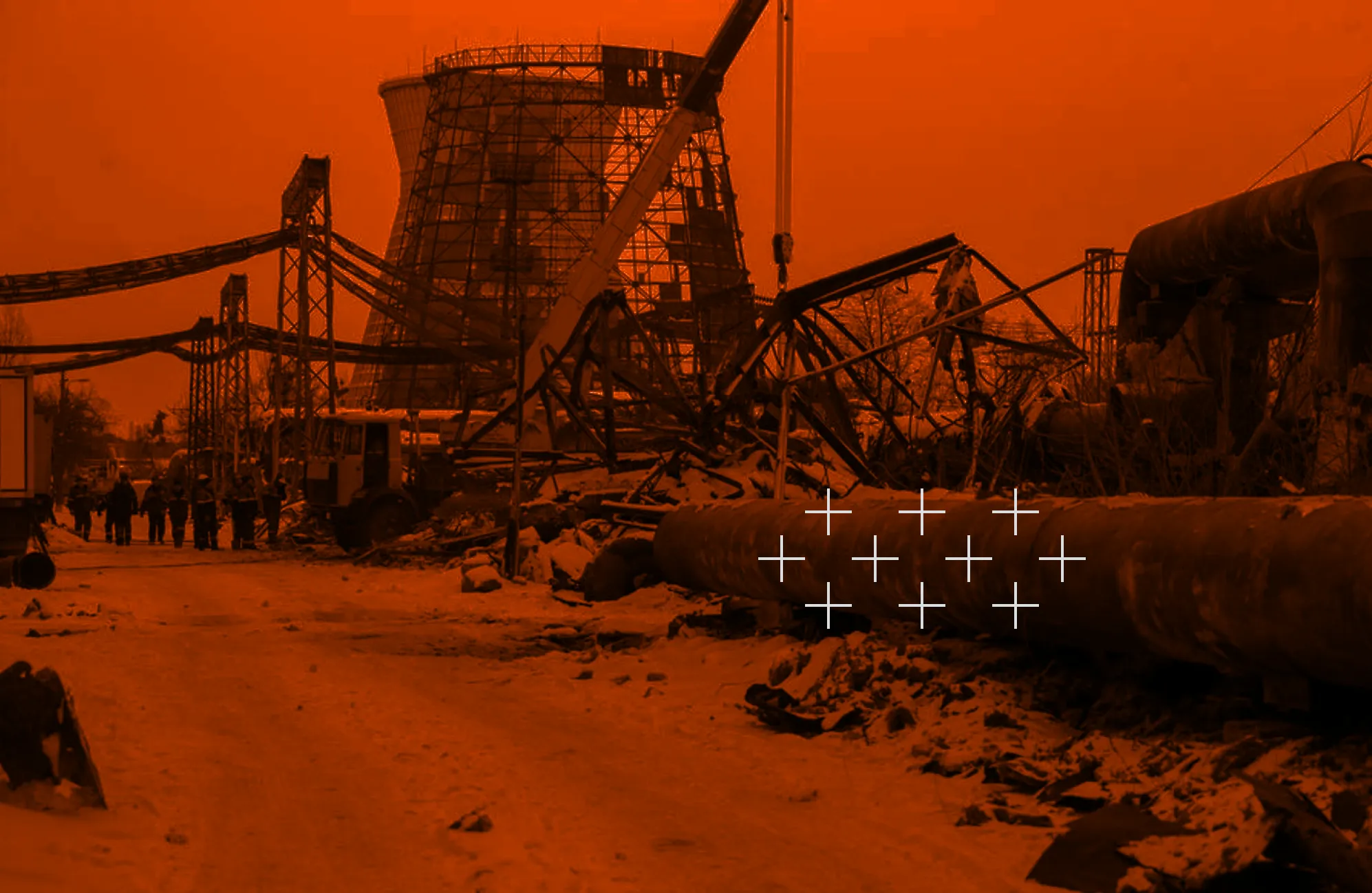
Consequences of mass attacks
by Russian drones
on the Darnytsia TPP.
Kyiv, Ukraine, 2026.
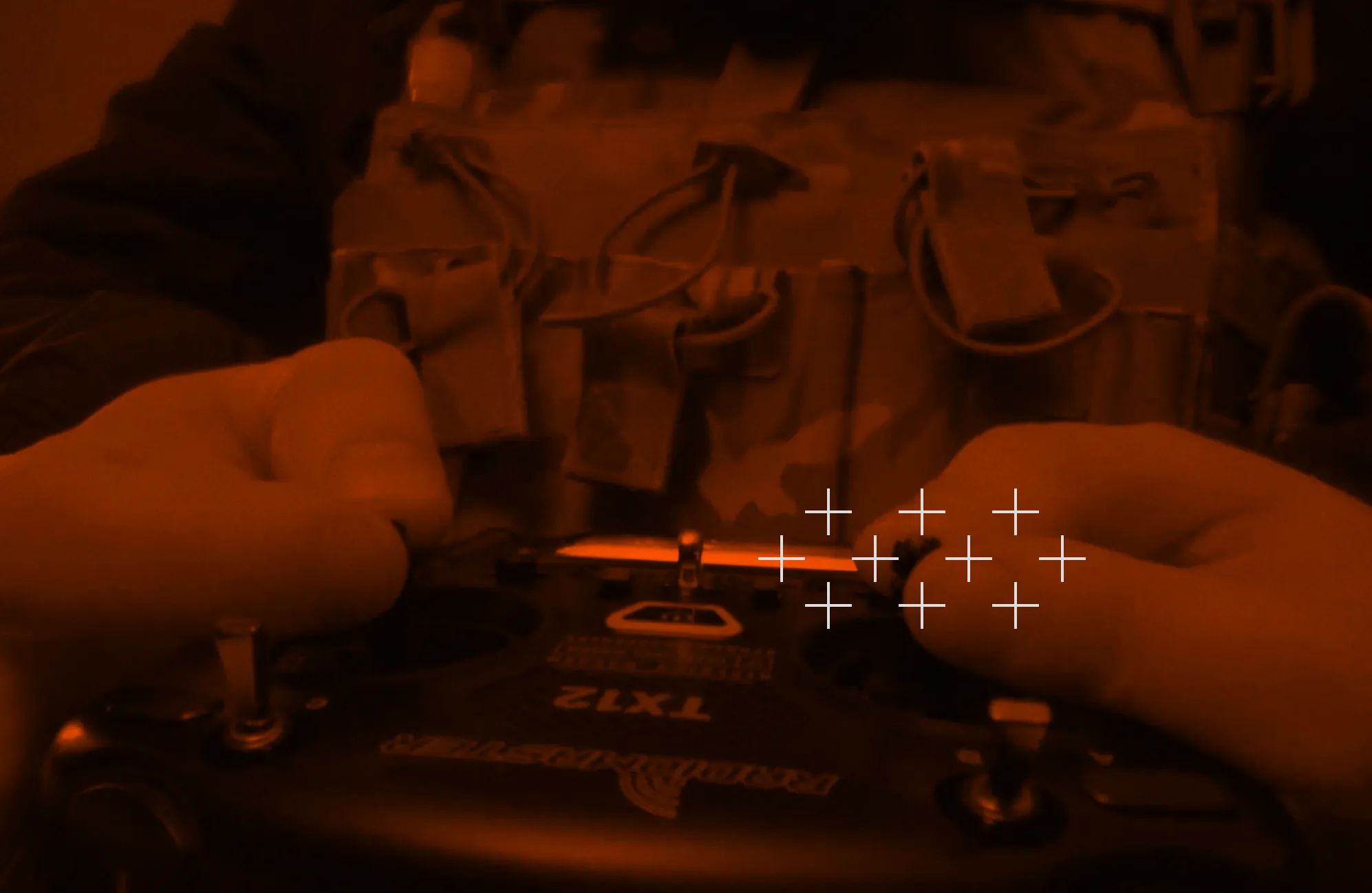
Darknode battalion pilot
operates an interceptor drone.
Spring, 2026.
15 04 202617 35 UTC +3Zirka interceptor
- 01
First strikes on Ukraine
The use of Iranian UAV, Shahed-136, began with attacks on Ukraine in October 2022. These were massive kamikaze drones with pre-programmed flight paths that targeted civilian infrastructure.
Consequences of a Shahed-136 strike
on a residential building
in the city center
Kyiv, Ukraine, 2022.
- 02
Geran-2: Russia’s adaptation of Shahed
In recent years, Russia has scaled up mass production for drone upgrades. The warhead can now reach up to 90 kg, the flight range exceeds 1,000 km, and the system can be remotely controlled in real time, functioning similarly to a large FPV drone.
Mass production of modified Iranian Shahed drones
UAV “Geran-2”
Yelabuga, Russia, 2025.
- 03
From drone to terror platform
Today, Shahed-type UAVs perform both strike and reconnaissance missions, engage dynamic targets, evade interceptors, and form airborne mesh networks. They are deployed in large-scale swarms, overwhelming air defense system.
Shahed carrying two FPV drones
footage from an interceptor UAV
2026.
- 04
Mass attacks capable of disrupting a country
A single large-scale strike can plunge a European country into blackout overnight. Within a week, it can disable critical infrastructure. Within a month, it can severely destabilize an entire state.
Consequences of mass attacks
by Russian drones
on the Darnytsia TPP.
Kyiv, Ukraine, 2026.
- 05
Ukrainians are the only ones who can fight back
During the winter of 2025–2026 alone, Russia launched nearly 19,000 Shahed-type strike drones against Ukraine. The country held its ground, primarily due to the operational deployment of interceptor UAV units.
Darknode battalion pilot
operates an interceptor drone.
Spring, 2026.
Successful mission to intercept a shahed
- Interceptor Zirka
- $5K
- MANPAD
- $100K
- Aviation
- $500K
- Missile Systems
- $1M+
- Modern warfare is driven by mass low-cost UAVs that exhaust resources and penetrate defenses. Zirka lets you work faster and more cost-effectively.
- According to most military doctrines, two or more munitions are usually required to ensure a guaranteed hit on a single target.
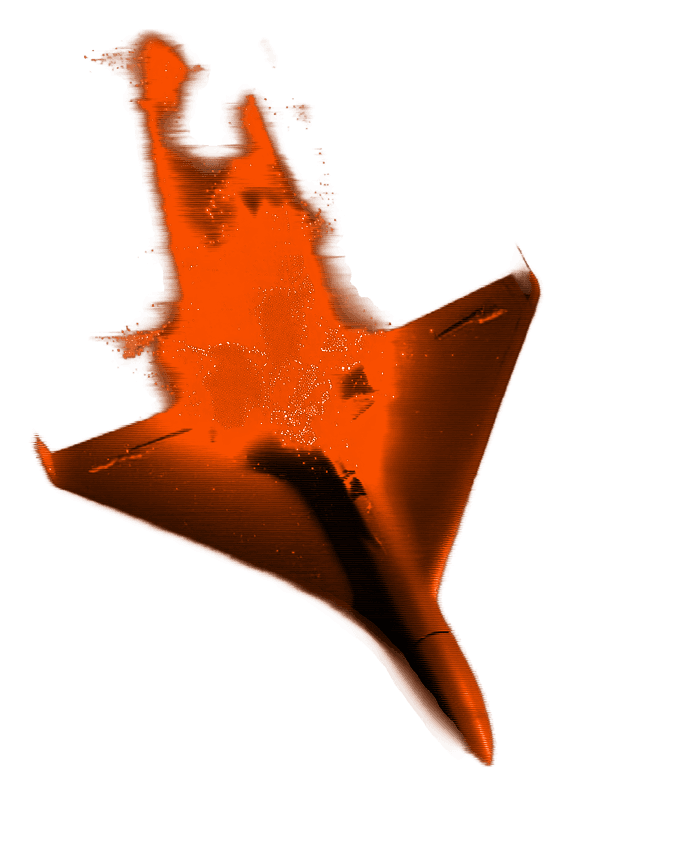

- $50K
- Target cost
ProvenIn combat

None of these numbers are ours. They are the conditions that Zirka had to be designed against, every night.
- The largest attack recorded to date used the equivalent of under three days of production at that monthly rate.
- Zirka was specified against the rate of production, not against the record. The rate is what repeats.
- 948
- Shaheds launched in one day
- 12K
- Shaheds built in one month
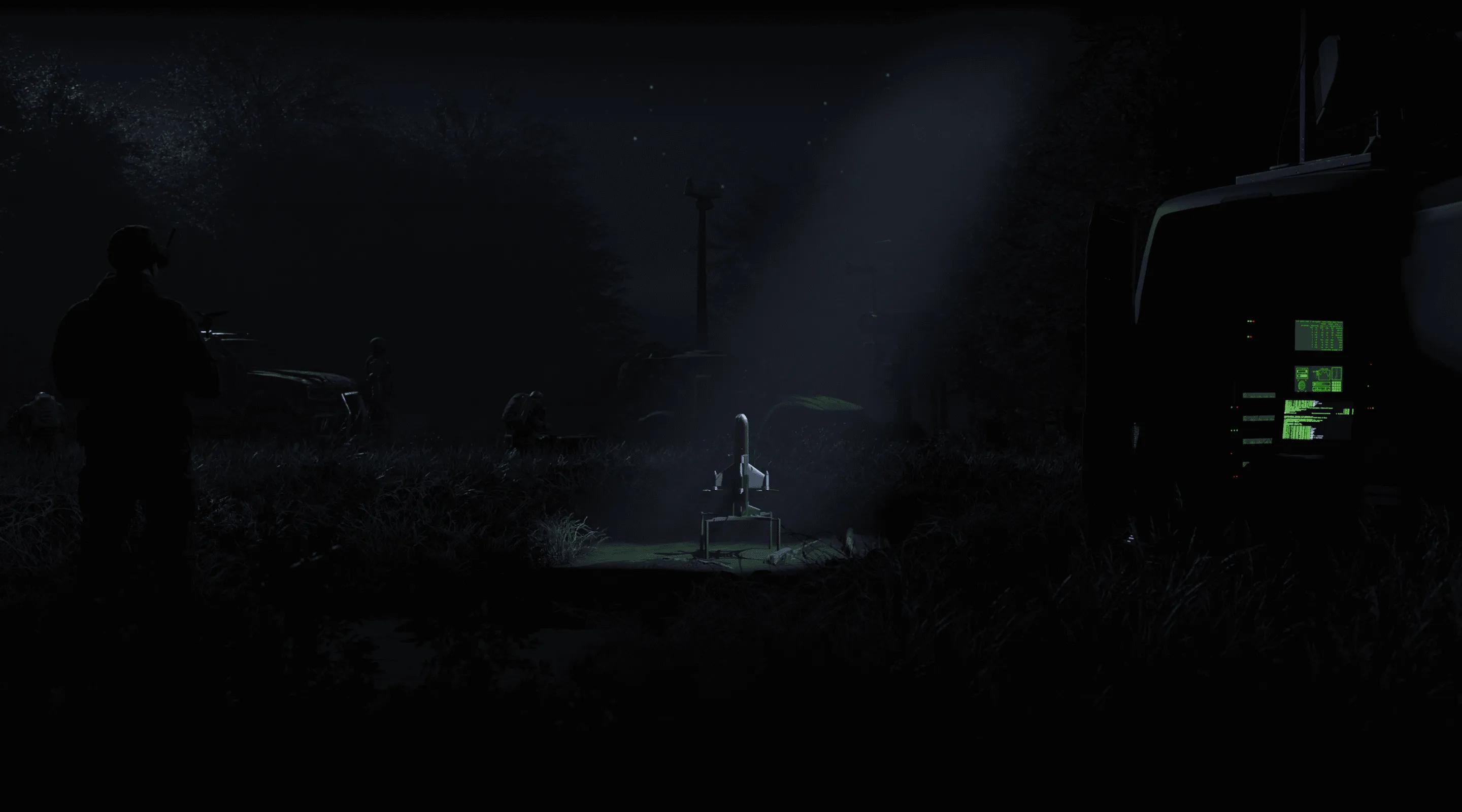









Building the next generation of air defense
We’re evolving Zirka into a fully autonomous anti-aircraft drone system. The target project is planned to be completed by the end of 2026.
